S1 running
The server rack for atoms.
A stationary two-arm cell that assembles small parts. Standardized, stackable, connected into factories.
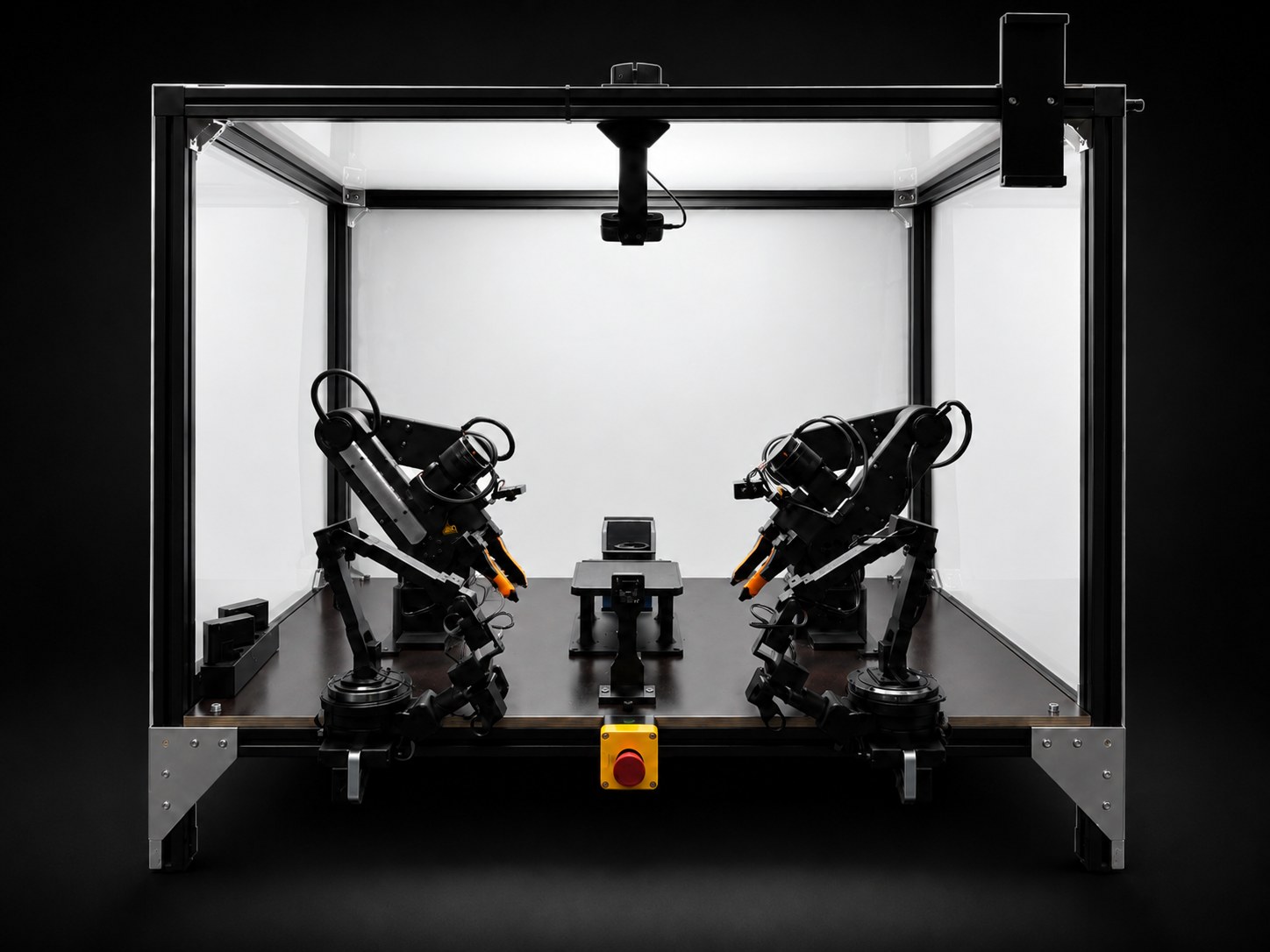
Compute scaled from a standardized unit, not from bigger mainframes.
Edge devices grew 100×; over 90 % of FLOPs still run in datacenter racks. Structured, stationary environments win on cost per operation.
Value is in transformation, not transportation.
Moving a kilogram is bounded and one-off. Organizing it is unbounded, and still runs on human hands. Mobile robots are the edge devices. The cell is the rack.
So production scales the same way: cells, stacked.
A standardized bimanual cell, copied into rows, walls, factories, with a few mobile robots tending them.
- 01
Cell. One standardized two-arm cell with a learned policy.
- 02
Demonstrate. New tasks are shown to the cell, not programmed into it.
- 03
Learn. The policy trains on its own rollouts and corrections, on the narrowest data distribution in physical work.
- 04
Copy. A trained task is a file. Cells are identical, so training one cell trains all of them.
- Scaling law · software
- Revenue buys autonomy. Every paid hour is training data.
- Scaling law · hardware
- Cells build cells. An arm is itself a small-part assembly.
First public milestone · a Structis cell assembles a Structis arm
S1 is running.
Teleoperated demonstration, then autonomous rollout. The S2, machined metal with overhead arms, is next.
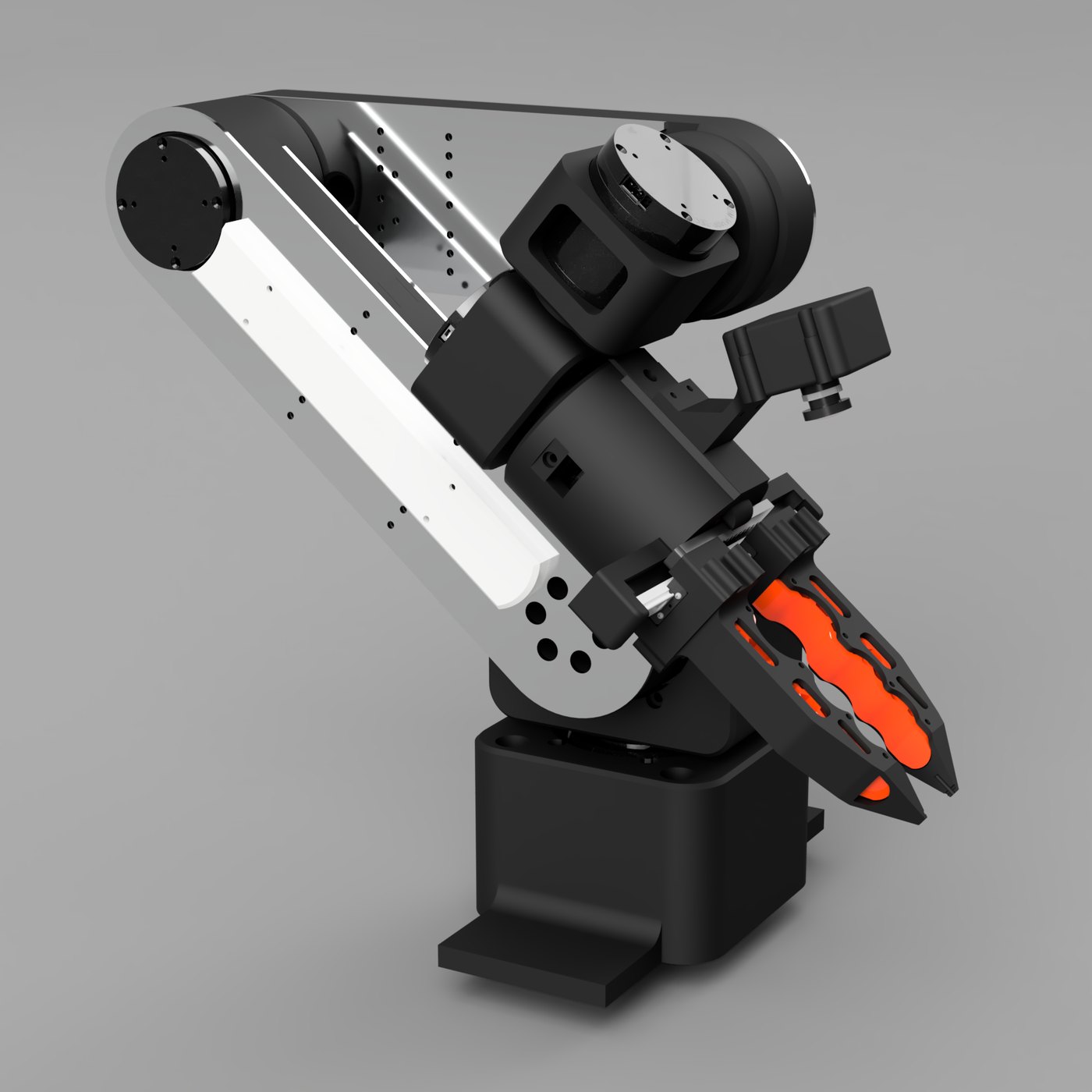
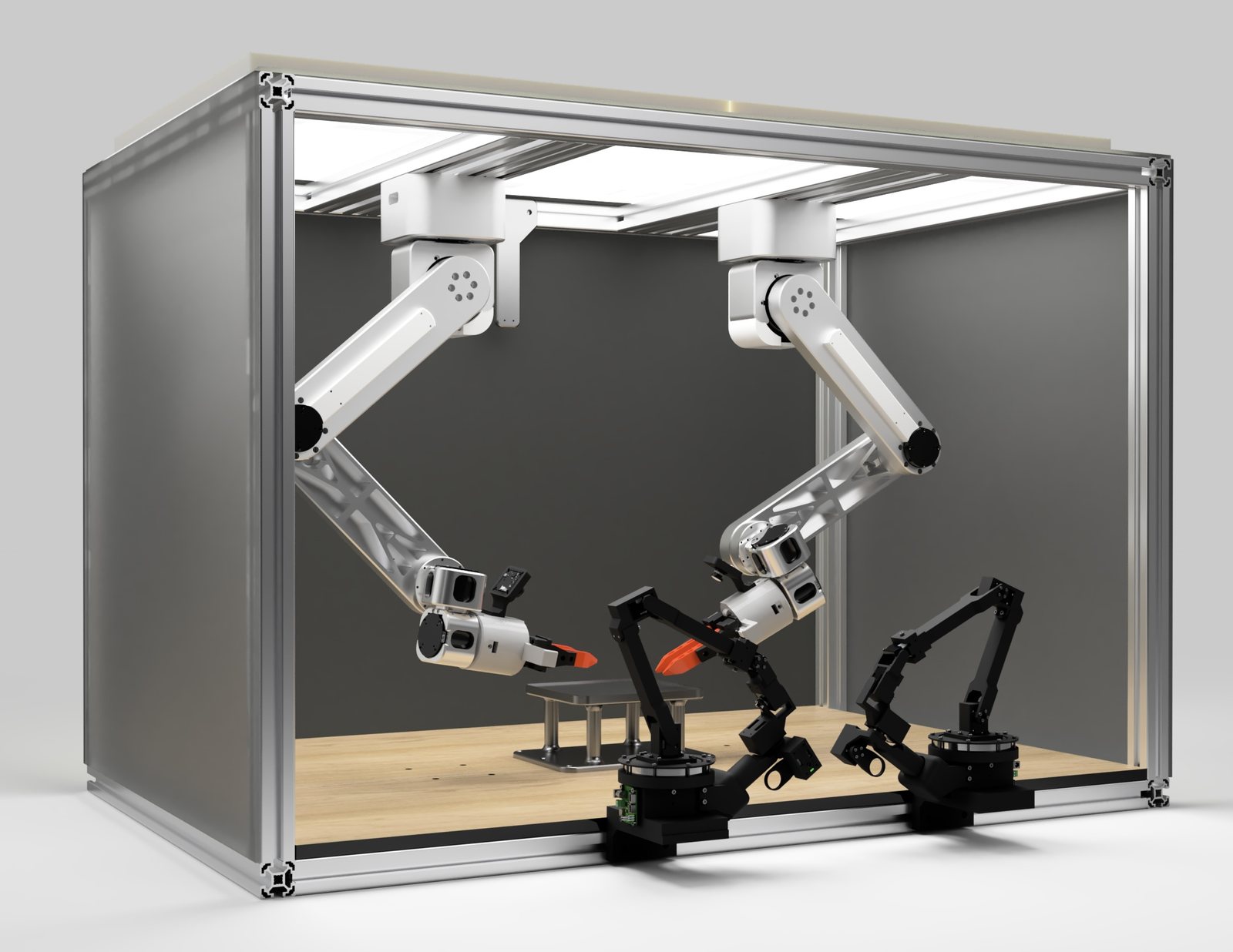
Have a task? Send 30 seconds of video.
If it fits the cell, we run a feasibility test. For investing or building: same address.
roberto@structis.aiBuilt by Roberto De La Cruz Gonzalez X / Twitter GitHub